
As January 2026 begins, many Americans are closely monitoring their bank accounts. After the holiday season, household expenses are often high, and mentions of a possible $2,000 federal deposit naturally spark interest. Social media posts and forwarded messages have added to confusion, leaving people wondering whether the government is issuing new $2,000 payments or if these deposits come from existing federal programs.
Is There a New $2,000 Federal Payment?
Currently, there is no official announcement from Congress, the IRS, or any federal agency confirming a new nationwide $2,000 stimulus payment for January 2026. No new relief bill or emergency program, like those seen in previous crises, has been approved. This means there is no universal payment that every American will automatically receive.

However, federal deposits are still happening. Many people see amounts close to $2,000, but these funds come from existing systems such as tax refunds, refundable credits, or regular benefit payments—not a newly introduced program.
Why People Are Seeing Deposits Near $2,000
January is one of the busiest months for federal payments. Several factors contribute to deposits around $2,000:
- Early Tax Refunds: Taxpayers who file early and choose direct deposit often receive refunds quickly. Refundable credits related to income, children, or education can increase refunds, making totals near $2,000 common.
- Benefit Programs: Social Security, SSI, and SSDI continue on their regular schedules. Depending on benefit type and household circumstances, monthly payments can be close to $2,000.
- Corrections or Delayed Payments: Occasionally, adjustments or delayed refunds from previous tax years result in a single larger deposit.
How Eligibility and Timing Work
There is no single eligibility rule or fixed payment date for a $2,000 federal deposit. Each source follows its own schedule:
- Tax Refunds: Processing depends on filing date, accuracy, and whether direct deposit is selected. Electronic returns are generally processed within about 21 days, while paper checks take longer.
- Benefit Payments: Programs such as Social Security or SSI follow monthly schedules, which may shift slightly due to weekends or holidays. This staggered timing explains why some people receive payments earlier than others.
How to Avoid Confusion and Delays
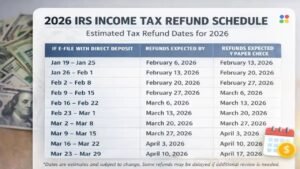
Filing taxes early and accurately reduces refund delays. Using direct deposit is faster and more secure than paper checks. Taxpayers should ensure bank account information and personal details are correct before submission. Official IRS tracking tools provide reliable updates, while social media rumors often lack context and accuracy.
Understanding the Bigger Picture
The attention around a $2,000 federal deposit reflects ongoing financial pressures. Rising living costs make routine refunds or benefit payments feel like significant relief. While no new universal payment exists, existing federal programs continue to provide support through refunds, credits, and benefits that individuals are already entitled to receive.
Key Takeaways
- No new $2,000 federal payment has been approved for January 2026.
- Deposits near $2,000 are usually tax refunds, credits, or regular benefits, not stimulus checks.
- Timing and eligibility vary by program; direct deposit and accurate filing speed up payments.
- Official IRS and federal agency tools are the safest way to check payment status.
- Understanding these deposits helps households plan realistically and avoid misinformation.
Bottom Line
While the idea of a $2,000 federal deposit can generate excitement, it is important to know that these amounts come from routine IRS refunds or existing benefit programs. Being informed, filing accurately, and relying on official sources ensures that taxpayers receive payments on time without confusion.

Disclaimer: This article is for informational purposes only and does not constitute legal, tax, or financial advice. Federal payment programs, eligibility rules, and timelines may change, and individual circumstances vary. Readers should consult official IRS, SSA, or other federal agency resources, or speak with a qualified professional for guidance tailored to their situation.