
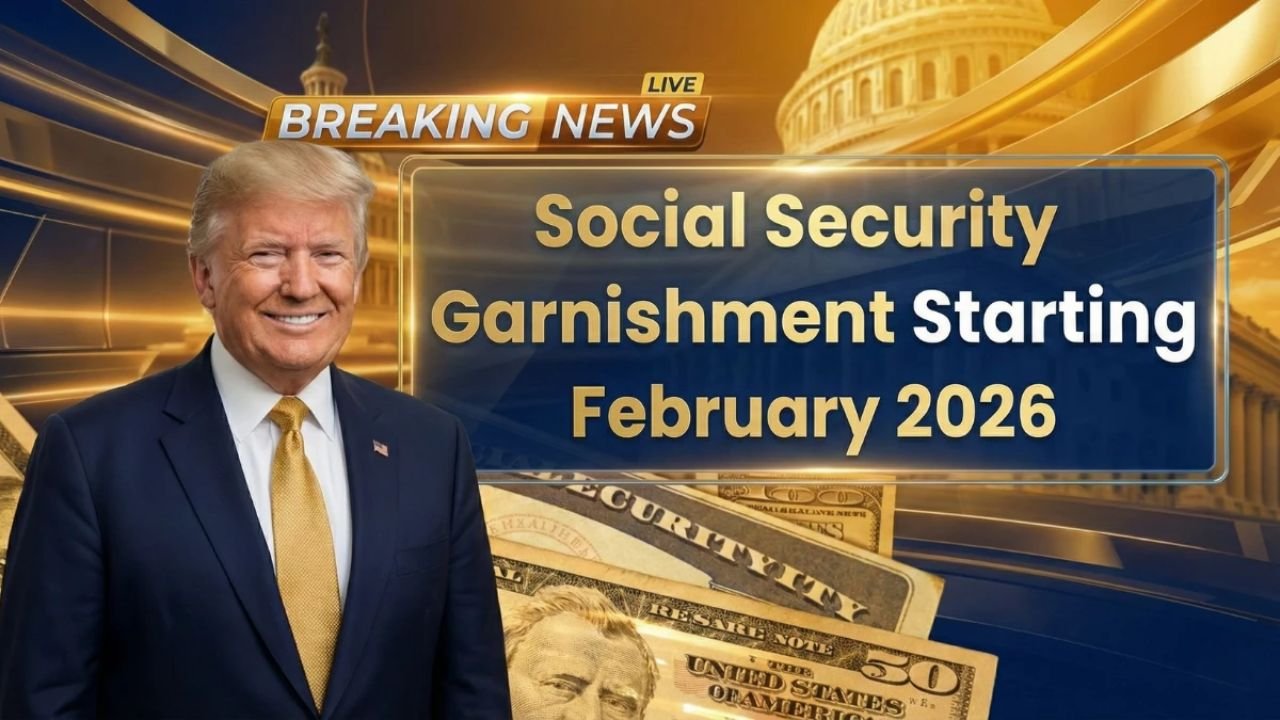
Recent online posts and news headlines have sparked concern among retirees and Social Security beneficiaries by claiming that Social Security garnishment will begin in February 2026 with new rules or payment schedules. These claims, however, are misleading. Understanding the facts can help beneficiaries remain calm and avoid unnecessary stress.
Is Social Security Garnishment Starting in February 2026?
The short answer is no. There is no new nationwide garnishment program beginning in February 2026. Neither the Social Security Administration (SSA) nor the U.S. Treasury has announced any changes to garnishment policies tied to that date. Existing garnishment laws have been in place for decades, and they continue to govern any withholding of benefits.

Online claims suggesting a new start date are false and designed to create urgency, often without supporting documentation or official announcements.
How Social Security Garnishment Works
Social Security benefits are protected under federal law from most types of debt collection. Private creditors—including credit card companies, medical providers, and personal loan lenders—cannot garnish Social Security payments.
Garnishment is legally allowed only in very specific cases, such as:
- Unpaid federal taxes
- Court-ordered child support
- Court-ordered alimony
- Defaulted federal student loans

Even in these cases, garnishment follows strict limits and procedural safeguards to ensure beneficiaries are not left without enough income for basic needs.
Who Can Be Affected
Only a small subset of Social Security recipients may face garnishment. This group includes individuals with qualifying federal or court-ordered debts. Most retirees, disabled beneficiaries, and survivors are not affected.
There is no new eligibility expansion in 2026. Receiving retirement, disability, or survivor benefits does not automatically place someone at risk.
Payment Schedule and Timing

There is no separate garnishment schedule. If garnishment applies, the amount is automatically deducted from the regular monthly Social Security payment. The payment dates themselves do not change, and February 2026 carries no special significance.
Why February 2026 Is Mentioned Online
Fraudulent or sensationalized content often uses specific future dates to create panic. References to February 2026 are simply scare tactics with no legal or official basis. The SSA and Treasury do not implement major changes silently or through social media channels.
How Beneficiaries Are Notified
Before any garnishment occurs, the SSA provides official written notice. This notice outlines:
- The debt amount
- The intended withholding
- Options to appeal or arrange repayment
Notices come directly from government agencies, never through unsolicited phone calls, emails, or text messages. Any communication claiming immediate garnishment without prior notice should be treated as suspicious.
What Has Not Changed for 2026
- Garnishment rules remain the same as in previous years
- No new enforcement surge is planned
- No automatic withholding based on age or benefit type
- Existing protections for most Social Security income continue unchanged
Social Security remains one of the most protected sources of income under federal law. Beneficiaries’ rights and safeguards are fully intact.
Why Accurate Information Matters
False claims about garnishment can cause stress and lead to poor financial decisions or susceptibility to scams. Understanding official rules and notices allows beneficiaries to stay informed and protected. Reliable information comes only from SSA communications and trusted government sources.
Final Thoughts
Claims that Social Security garnishment will start in February 2026 are inaccurate. Garnishment continues only under long-standing federal law and affects a limited group of beneficiaries with specific debts. There are no new programs, rules, or timelines being introduced.
Beneficiaries should remain reassured that their protections remain in place and should monitor official SSA updates to avoid confusion or unnecessary worry.
Disclaimer: This article is for informational purposes only and does not constitute legal or financial advice. Social Security garnishment rules are governed by federal law and official SSA notifications. Individuals with concerns about their benefits or debts should consult the Social Security Administration or a qualified professional for guidance specific to their situation.