
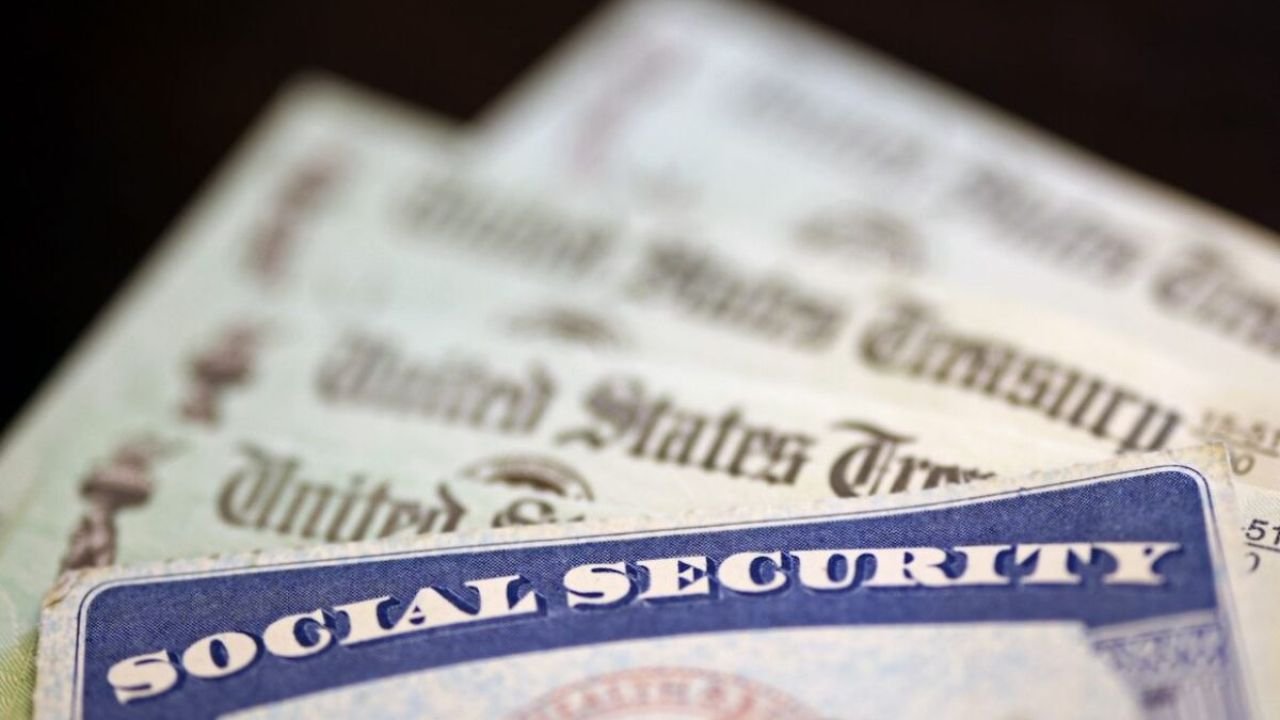
For millions of Americans, Social Security direct deposit is a critical part of monthly financial stability. It is designed to be fast, secure, and predictable, allowing benefits to arrive without the risks of mailed checks. In most months, payments reach bank accounts exactly on schedule. When a deposit does not appear as expected, it can naturally cause concern, especially for retirees and individuals who rely on these funds for essential expenses.
The good news is that most direct deposit delays are not caused by benefit cuts, eligibility changes, or policy updates. Instead, they are usually tied to routine banking processes or recent account changes. Understanding how the system works can help beneficiaries respond calmly and take the right steps if a payment seems late.
How Social Security Direct Deposit Is Processed

The Social Security Administration follows a fixed monthly payment schedule based on beneficiaries’ birth dates or benefit type. On the scheduled date, the SSA releases the payment electronically to the bank account listed on file. From the SSA’s perspective, the payment is complete once it is transmitted to the banking system.
After that point, the timing of when funds appear in an account depends on the bank. While many banks post deposits early in the morning on the payment date, others process transactions later in the day. This difference alone can make a deposit feel delayed, even though it was sent on time.
Why Bank Processing Plays a Key Role
Banks use their own internal systems to handle electronic deposits. Some institutions credit accounts as soon as they receive payment instructions, while others wait until the full processing cycle is complete. This can lead to deposits appearing at different times on the same day.

Weekends and federal holidays also affect processing. Banks typically do not post transactions on non-business days. If a Social Security payment date falls close to a weekend or holiday, the deposit may appear one business day later than expected. This is one of the most common reasons beneficiaries notice short delays.
The Impact of Changing Bank Information
Updating direct deposit details is another frequent cause of temporary delays. When a beneficiary switches banks or changes account numbers, the SSA must verify the new information. This verification process is essential for preventing fraud and ensuring payments are sent to the correct account.
If banking information is updated close to a scheduled payment date, the change may not take effect immediately. In some cases, the payment may be delayed or rerouted until verification is complete. Once the new details are confirmed, future payments usually resume on time.
What Happens When a Deposit Is Rejected

Occasionally, a bank may reject a Social Security deposit. This can happen if the account is closed, inactive, or entered incorrectly. When a rejection occurs, the bank sends the funds back to the SSA rather than holding them.
Although this situation can be stressful, the payment is not lost. The SSA reviews the returned deposit and contacts the beneficiary to confirm correct banking details. Once accurate information is provided, the payment is reissued. This process takes time, but benefits remain protected.
Pending Deposits and Bank Security Reviews
Some beneficiaries notice their payment listed as “pending” rather than fully available. This usually means the bank has received the deposit but placed a temporary hold on it. Banks may do this as part of routine security checks, name verification, or internal fraud prevention measures.
These holds are controlled entirely by the bank, not the SSA. In most cases, they are resolved within a short period, and the funds are released automatically. If a pending deposit lasts longer than expected, contacting the bank directly is the best way to get clarification.
No Widespread Changes to Social Security Rules
It is important to note that there are no new Social Security policies causing system-wide direct deposit delays. Benefit amounts, eligibility rules, and payment schedules remain unchanged. The SSA continues to issue payments according to its established calendar.
Most reported delays are administrative and related to banking procedures rather than government action. Understanding this distinction can help beneficiaries avoid unnecessary worry about benefit reductions or program changes.
When It Makes Sense to Wait
If a payment does not appear on the expected date, waiting one full business day is often recommended. Many deposits show up later due to normal bank processing cycles. Checking the account again the following day can resolve the concern without further action.
During this time, it is also helpful to review recent bank notifications or online account messages. Banks sometimes provide updates about pending or delayed deposits through their own systems.
When to Contact Your Bank
If the payment still does not appear after one business day, the next step is to contact the bank. Bank representatives can confirm whether a deposit is pending, delayed, or rejected. They can also explain whether any holds or verification checks are affecting the account.
Having details such as the expected payment date and account number ready can make this conversation quicker and more effective. In many cases, the issue can be resolved without involving the SSA.
When to Reach Out to the Social Security Administration
If the bank confirms that the deposit was returned or never received, contacting the SSA is the appropriate next step. SSA representatives can check the payment status, confirm banking details, and guide beneficiaries through correcting any errors.
Once the issue is resolved, future payments typically return to their normal schedule. Keeping personal and banking information up to date with the SSA helps reduce the risk of repeat delays.
Why Understanding the Process Matters
Direct deposit delays can feel alarming, especially for those on fixed incomes. However, understanding how payments move from the SSA to banks helps put these situations into perspective. Most delays are short-lived and have straightforward explanations.
Staying informed empowers beneficiaries to act confidently rather than react with fear. Knowing when to wait, when to contact the bank, and when to reach the SSA can save time and reduce stress.
Final Thoughts
Social Security direct deposit remains the most secure and reliable way to receive benefits. While occasional delays can happen, they are usually caused by banking procedures, account changes, or routine security checks rather than problems with benefits themselves.
With patience, accurate information, and timely communication with the right institution, most issues are resolved quickly. Awareness and preparation are the best tools beneficiaries have to protect their income and maintain peace of mind.
Disclaimer: This article is for informational and educational purposes only and does not provide financial or legal advice. Social Security payment schedules and direct deposit procedures are governed by official Social Security Administration policies and individual bank rules, which may change. Beneficiaries should contact the Social Security Administration or their financial institution for guidance specific to their situation.