
Over the past few days, claims about a $1,702 stimulus payment arriving today have surged across social media, video platforms, and attention-grabbing headlines. For households dealing with rising living costs, the idea of an unexpected deposit naturally sparks hope and urgency.
But before assuming a new round of stimulus money is hitting bank accounts, it’s important to separate verified facts from viral speculation. This article explains where the $1,702 figure comes from, whether it represents a real federal stimulus payment, and who—if anyone—is legitimately receiving this money right now.
Is There a New $1,702 Federal Stimulus Payment?

The short and clear answer is no. There is currently no federally approved $1,702 stimulus payment being issued nationwide.
As of now, Congress has not passed any legislation authorizing a new universal stimulus check for this amount, and the Internal Revenue Service has not made any announcement confirming such a payment. Unlike pandemic-era stimulus checks, which were created under emergency federal laws and distributed nationwide, no comparable program exists for 2026.
Any claim suggesting that “millions of Americans are receiving $1,702 today” does not align with official federal policy or IRS guidance.
Why Pandemic-Style Stimulus Checks Are Different
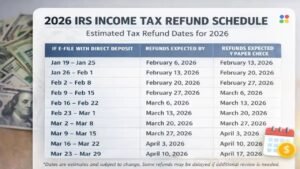
During the COVID-19 emergency, stimulus payments were approved quickly due to extraordinary economic conditions. Those programs were temporary, clearly defined, and publicly announced by Congress and the U.S. Treasury.
Since then, broad-based stimulus efforts have officially ended. While economic relief is occasionally discussed by lawmakers, no universal stimulus program has been authorized for 2026 or beyond. Any real federal payment would involve formal legislation, press briefings, and clear IRS instructions—none of which have occurred.
Where the $1,702 Amount Actually Comes From
Although the $1,702 figure is real, it is not federal stimulus money.

The amount is most commonly linked to the Alaska Permanent Fund Dividend (PFD), a state-level payment issued only to eligible residents of Alaska. The PFD is funded through state oil and natural resource revenues, not federal tax dollars.
Each year, Alaska determines the dividend amount based on revenue performance and legislative decisions. When the figure is announced, it often gains national attention and is sometimes misrepresented online as a new “stimulus check,” even though it applies exclusively to Alaska residents.
This is how a legitimate state benefit becomes a misleading nationwide headline.
Federal Stimulus vs State-Level Payments
Understanding the distinction between federal and state payments helps clarify the confusion.
Federal Payments
Federal stimulus checks are:
- Approved by Congress
- Funded through the federal budget
- Distributed nationwide by the IRS
- Announced through official government channels
State Payments
State-level payments:
- Apply only to residents of specific states
- Are funded by state revenues or special programs
- Follow local eligibility rules
- Vary widely in amount and timing
The $1,702 payment circulating online fits the second category, not the first.
Why These Claims Keep Going Viral
Several factors contribute to the repeated spread of stimulus-related misinformation.
Click-Driven Headlines
Financial relief headlines generate high engagement. Even when articles later clarify the truth, many readers only see the headline and assume the payment applies to them.
Program Confusion
Over the years, Americans have received stimulus checks, tax refunds, child tax credits, rebates, and special benefit deposits. These different programs often get blended together in online discussions.
Economic Pressure
With inflation, housing costs, and healthcare expenses continuing to strain budgets, people are eager for good financial news. That hope allows unverified claims to travel quickly.
Are Any Americans Receiving Money Right Now?
While there is no nationwide $1,702 stimulus payment, some Americans may still be receiving legitimate government funds depending on their situation.
These may include:
- State-specific rebates or dividends
- IRS tax refunds based on recent filings
- Targeted assistance programs for seniors, veterans, or low-income households
- Social Security or disability-related adjustments
These payments are real, but they are not universal, not automatic, and not tied to a single national announcement.
Watch Out for Scams and False Promises
Whenever stimulus-style news trends, scammers take advantage of the attention. Fraudsters often use fake payment claims to collect personal or banking information.
It’s important to remember:
- The IRS does not send unsolicited texts or social media messages about stimulus payments
- Government agencies do not ask for bank details via email links
- Urgent messages claiming you must “act now” to receive funds are major red flags
Always verify payment information through official government websites or trusted news outlets.
What Would Happen If a New Stimulus Is Approved?
If a new federal stimulus payment were ever authorized, the process would be highly visible. There would be:
- Formal legislation passed by Congress
- Official IRS guidance
- Nationwide media coverage
- Clear eligibility rules and timelines
Stimulus programs do not launch quietly or without confirmation.
Final Verdict
The claim that a $1,702 stimulus payment is arriving today for millions of Americans is misleading. There is no federally approved stimulus check for this amount, and no IRS-backed nationwide payment currently underway.
While the $1,702 figure does exist through certain state-level programs, it does not apply to the general U.S. population. Some individuals may still receive legitimate government payments based on eligibility or location, but there is no universal stimulus deposit being sent to everyone.
Staying informed, reading beyond headlines, and relying on official sources remain the best ways to avoid confusion and financial misinformation.
Disclaimer
This article is for informational purposes only and is based on publicly available information at the time of writing. It does not represent official guidance from the IRS, U.S. Treasury, or any government agency. Payment programs, benefit amounts, and eligibility rules may change due to new legislation or policy updates. Readers should verify details through official government sources or consult qualified financial professionals before making decisions.